
Introduction
Stroke rehabilitation is a set of treatments that help people recover after a stroke. It focuses on regaining lost skills and restoring independence. After a stroke, many people face challenges with movement, speech, or daily tasks. However, with the right support, most can improve their abilities. Stroke rehabilitation is vital because it helps people return to their daily lives. According to the CDC, early and ongoing rehab increases the chances of a better recovery. In this blog, we will explore stroke recovery programs, useful exercises, and tips for supporting loved ones at home.
What is Stroke Rehabilitation?
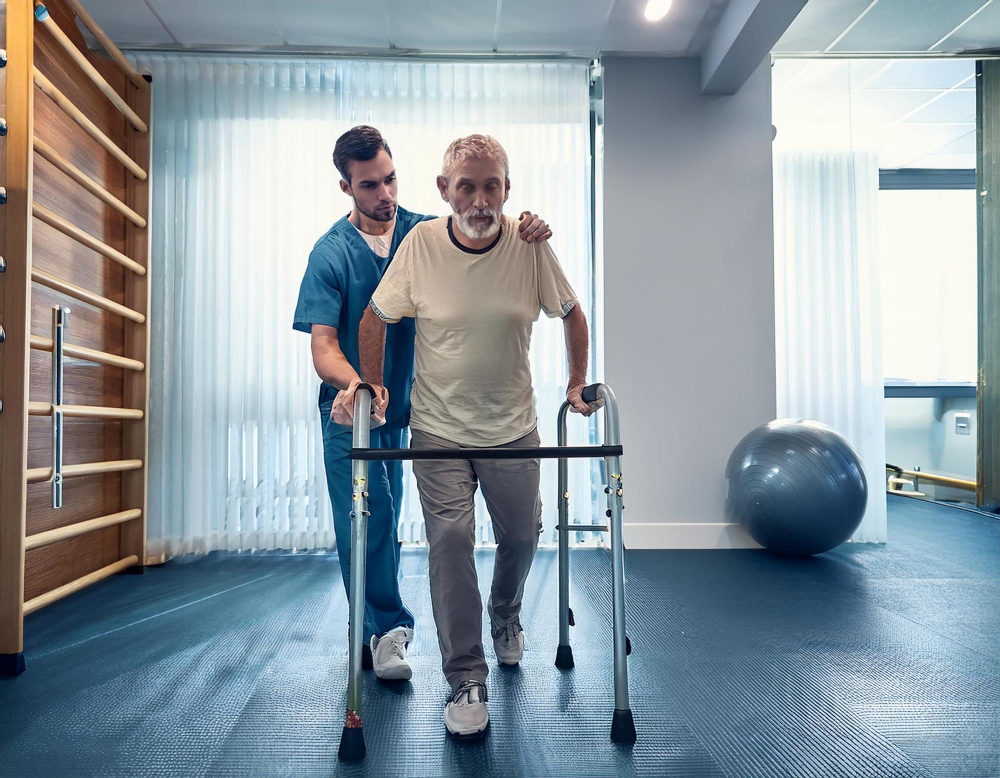
Stroke rehabilitation is a process that helps people relearn skills lost due to a stroke. For example, it may include learning to walk, talk, or use your hands again. The process often starts in the hospital and continues at home or in special centers. Every person’s recovery is unique, so rehab plans are tailored to individual needs. Stroke recovery programs may involve doctors, nurses, physical therapists, and speech therapists. Together, they work to help patients regain independence after stroke.
Key Goals of Stroke Recovery
The main aim of stroke rehabilitation is to help people live as independently as possible. While each person’s needs are different, common goals include:
With clear goals, stroke recovery programs can track progress and adjust treatments as needed.
Common Rehabilitation Techniques
There are several techniques used in stroke rehabilitation. Each one targets different needs. For instance, physical therapy for stroke patients focuses on movement and balance. Some common techniques include:
Often, a mix of these therapies gives the best results. According to the WHO, regular rehab can greatly improve quality of life after stroke.
Benefits of Early Intervention
Starting stroke rehabilitation soon after a stroke leads to better outcomes. Early rehab helps prevent muscle stiffness and loss of function. In addition, it can lower the risk of complications like falls or infections. Studies show that people who begin rehab early are more likely to regain independence after stroke. Therefore, doctors often recommend starting therapy as soon as it is safe.
Tips for Supporting Recovery at Home
Family and friends play a big role in stroke recovery. Here are some tips to help support a loved one at home:
With support, many people feel more confident and motivated to keep working on their recovery.
Preventing Future Strokes
After a stroke, it is important to lower the risk of another one. Simple lifestyle changes can help. For example, eating healthy foods, staying active, and taking medicines as prescribed all make a difference. In addition, regular check-ups with your doctor are key. The CDC suggests:
By following these steps, you can help protect your health and support long-term recovery.
Conclusion
Stroke rehabilitation is essential for regaining independence after stroke. With early and ongoing support, many people can return to their daily lives. Remember, every recovery journey is unique. For the best results, consult Dr. Sneha Tiwari for personalized stroke recovery guidance.