
Introduction
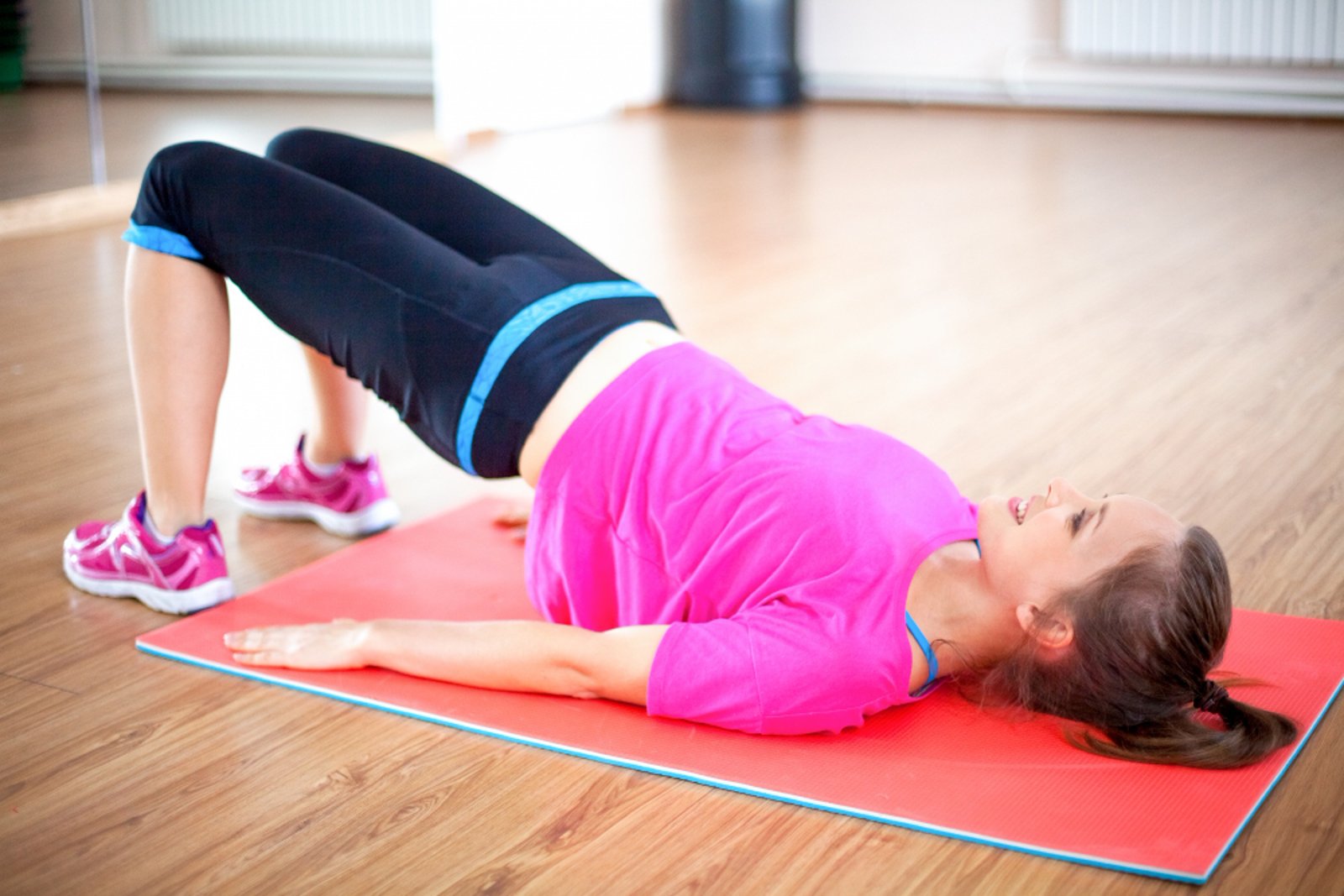
Strong hips and a stable core help you move with ease. Exercises for hip strength and core endurance are key for daily activities. These exercises also support your balance and protect your joints. In fact, many people use hip strengthening exercises and core endurance workouts to improve their health. Whether you want to walk better, prevent falls, or ease pain, these moves can help. Let’s explore why hip and core strength matter and how you can start at home.
Benefits of Strong Hips and Core
First, strong hips and core muscles support your body. They help you stand, walk, and climb stairs. In addition, they lower your risk of falls and injuries. For example, a stable core protects your back during lifting. Strong hips also keep your knees and ankles safe. Moreover, these muscles help with sports and daily tasks. According to the CDC, regular exercise improves balance and reduces pain. So, working on these areas can make life easier and safer.
Key Exercises for Hip Strength
Essential Core Endurance Exercises
Tips for Safe and Effective Exercise
To get the most from your home exercises for hip and core stability, follow these tips:
According to the WHO, regular and safe exercise helps prevent injuries and supports long-term health.
Prevention of Injuries and Common Mistakes
Even simple moves can cause problems if done wrong. Therefore, always warm up before starting. Avoid holding your breath during exercises. Moreover, do not rush through the movements. Using poor form can strain your joints. For example, arching your back during planks may hurt your spine. If you feel sharp pain, stop right away. In addition, do not skip rest days. Your muscles need time to recover and grow stronger.
When to Consult a Physiotherapist
Sometimes, you may need expert help. If you have ongoing pain or a recent injury, see a physiotherapist. Also, if you are unsure about your form, a professional can guide you. Physiotherapy for hip and core issues is safe and tailored to your needs. Furthermore, a physiotherapist can design a plan for your goals and health conditions. This ensures you progress safely and avoid setbacks.
Conclusion and Call-to-Action
In summary, exercises for hip strength and core endurance support better movement and stability. With regular practice, you can boost your balance and prevent injuries. Remember, start slow and use good form. For the best results, consult Dr Sneha Tiwari for personalized exercise guidance and safe progression.