
Introduction
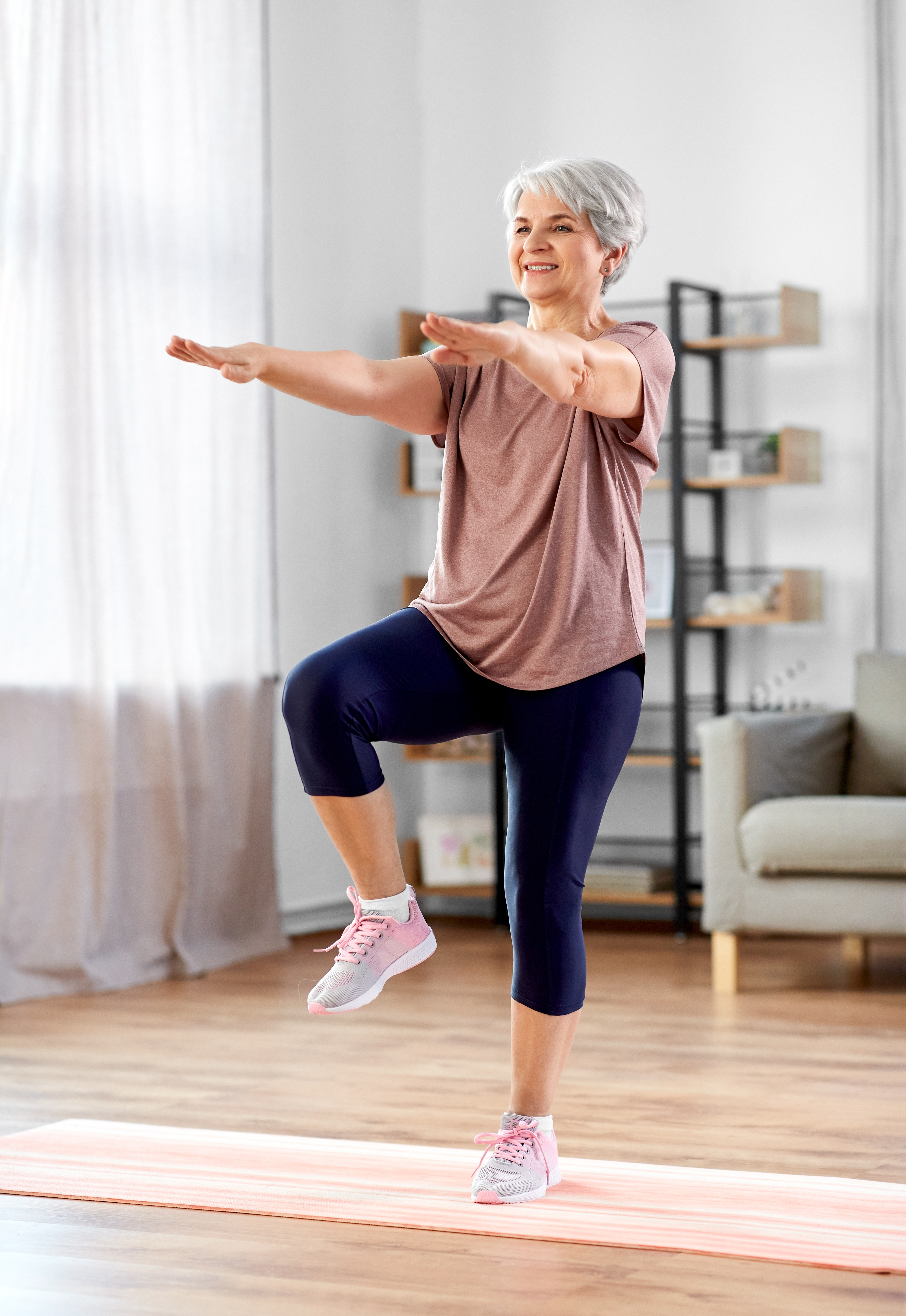
Staying active is important at any age, but it is especially vital for women over 60. Regular exercises for women over 60 can help improve mobility, boost strength, and enhance quality of life. In fact, safe exercises for seniors may reduce the risk of falls and help manage chronic conditions. With the right physiotherapy routines, you can stay independent and enjoy daily activities with confidence.
Why Exercise Matters After 60
As we age, our muscles and bones naturally become weaker. This can lead to stiffness, balance problems, and a higher risk of injury. However, regular movement helps slow these changes. Physiotherapy for older women focuses on gentle, safe exercises that protect joints and build strength. Moreover, staying active can lift your mood and support heart health. According to the World Health Organization (WHO), older adults should aim for at least 150 minutes of moderate activity each week.
Safety Tips Before Starting
Before you begin any new workout, safety comes first. Here are some tips to help you exercise safely:
Additionally, listen to your body and rest when needed. If you are unsure, physiotherapy clinics near you can offer advice tailored to your needs.
5 Best Exercises for Women Over 60
1. Seated Marching
This exercise improves hip strength and balance. It is gentle on the joints and easy to do at home. For best results, keep your back straight and avoid leaning forward.
2. Wall Push-Ups
Wall push-ups build upper body strength without straining your wrists or shoulders. Remember to keep your body in a straight line and avoid arching your back.
3. Heel-to-Toe Walk
This simple exercise helps improve balance and coordination. For extra safety, perform it near a wall or sturdy surface. Look straight ahead and move slowly.
4. Chair Squats
Chair squats strengthen your legs and support daily movements. Always keep your knees behind your toes and use the chair for support if needed.
5. Gentle Neck Stretches
Neck stretches relieve tension and improve flexibility. Move gently and avoid forcing your neck. If you feel pain, stop right away.
How to Build a Consistent Routine
Sticking to a regular exercise plan can be challenging. However, setting small goals makes it easier. Try these tips:
With consistency, you will notice improvements in strength and balance. Remember, every bit of movement counts.
When to Seek Professional Guidance
Although these exercises are safe for most, some women may need extra support. You should consult a physiotherapist or doctor if you:
Professional guidance ensures your routine is safe and effective. Many physiotherapy clinics near you offer personalized plans for older women.
In summary, safe exercises for seniors can boost your health and confidence. Before starting any new routine, consult your healthcare provider or a qualified physiotherapist for advice tailored to your needs.
Stay active, strong, and independent at every age.
Get expert guidance from Sneha Tiwari at ST Momentum Sports Clinic.
Book your session today and move with confidence.