
What Is Posture and Why Spine Health Matters
Posture is how you hold your body when you sit, stand, or move. Good posture keeps your spine straight and balanced. Physiotherapy for posture correction can help you keep your back healthy. The spine supports your body and protects the nerves. When your spine is healthy, you move easily and feel less pain. According to the World Health Organization, a healthy spine lowers your risk of back pain and injury. Because of this, taking care of your posture is important for your wellbeing.
Common Causes of Poor Posture
Many things can cause poor posture. For example, sitting for long hours at a desk can make your back slouch. In addition, using phones or computers often leads to hunching your shoulders. Weak muscles or past injuries may also affect how you stand or sit. Sometimes, carrying heavy bags on one side can pull your body out of balance. Even stress can make you tense your muscles, which may hurt your posture over time.
Signs and Symptoms of Poor Posture and Spine Issues
It is not always easy to notice poor posture. However, there are some signs you can watch for. For instance, you may feel pain in your neck, back, or shoulders. You might also notice rounded shoulders or a forward head. Sometimes, you feel tired after sitting or standing. In some cases, your clothes may fit unevenly because your body is out of balance. Over time, poor posture can lead to more serious spine problems.
How Physiotherapy Helps with Posture Correction
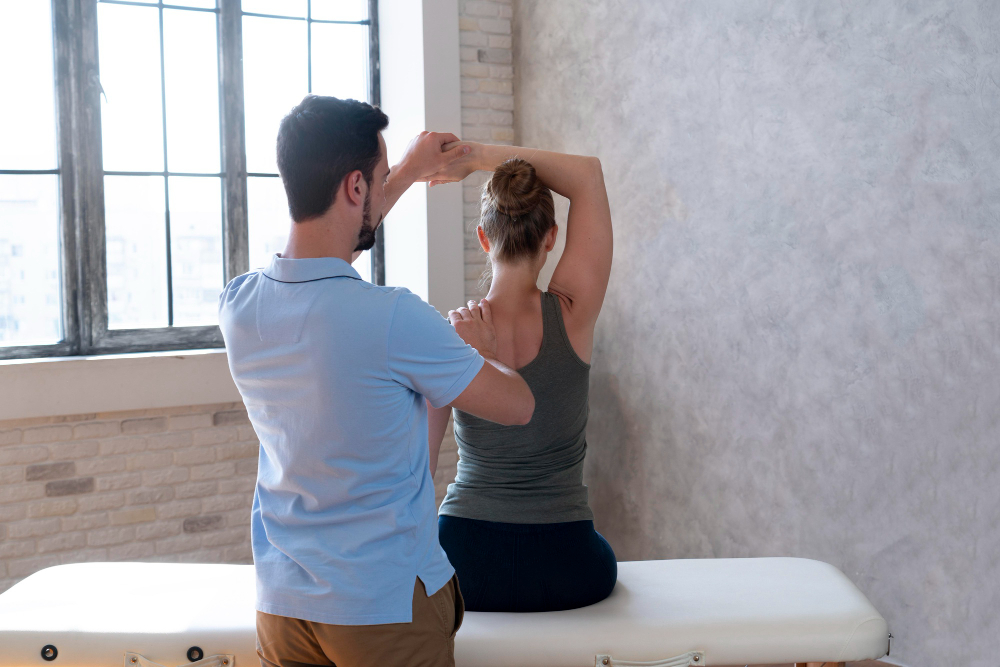
Physiotherapy for posture correction gives you tools to improve your body’s alignment. First, a physiotherapist checks your posture and movement. Then, they create a plan just for you. This plan may include exercises, stretches, and advice on daily habits. Because each person is different, your plan will fit your needs. With regular sessions, you can build strong muscles and learn better ways to move. As a result, you may feel less pain and more energy. The Centers for Disease Control and Prevention notes that early care can prevent long-term back issues.
Key Physiotherapy Techniques for Spine Health
There are several ways physiotherapists help you improve posture and spine health. For example, they may teach you special exercises to make your back and core stronger. In addition, stretching tight muscles can help you move better. Sometimes, hands-on therapy helps relax stiff areas. Many physiotherapists also show you how to sit and stand correctly. Because everyone’s needs are unique, your therapist will adjust these techniques for you.
Tips for Maintaining Good Posture in Daily Life
Good posture does not end at the clinic. In fact, you can use simple tips every day to support your spine. For example, try to keep your feet flat on the floor when sitting. In addition, take breaks to stand and stretch if you work at a desk. Adjust your chair and screen so you do not have to hunch. Because small changes add up, these habits can make a big difference over time.
Preventing Spine Problems: Lifestyle and Ergonomic Advice
Preventing spine issues starts with healthy habits. For instance, regular exercise keeps your muscles strong. In addition, using proper lifting techniques protects your back. Make sure your workspace is set up to support good posture. Because stress can affect your muscles, try to relax and stretch often. The CDC recommends staying active and keeping a healthy weight to lower your risk of back pain. You can also ask your physiotherapist for advice on safe movements and posture exercises.
Conclusion
If you want to improve your posture or ease back pain, Dr. Sneha Tiwari is here to help. Book a consultation today to start your journey toward better spine health and wellbeing.