
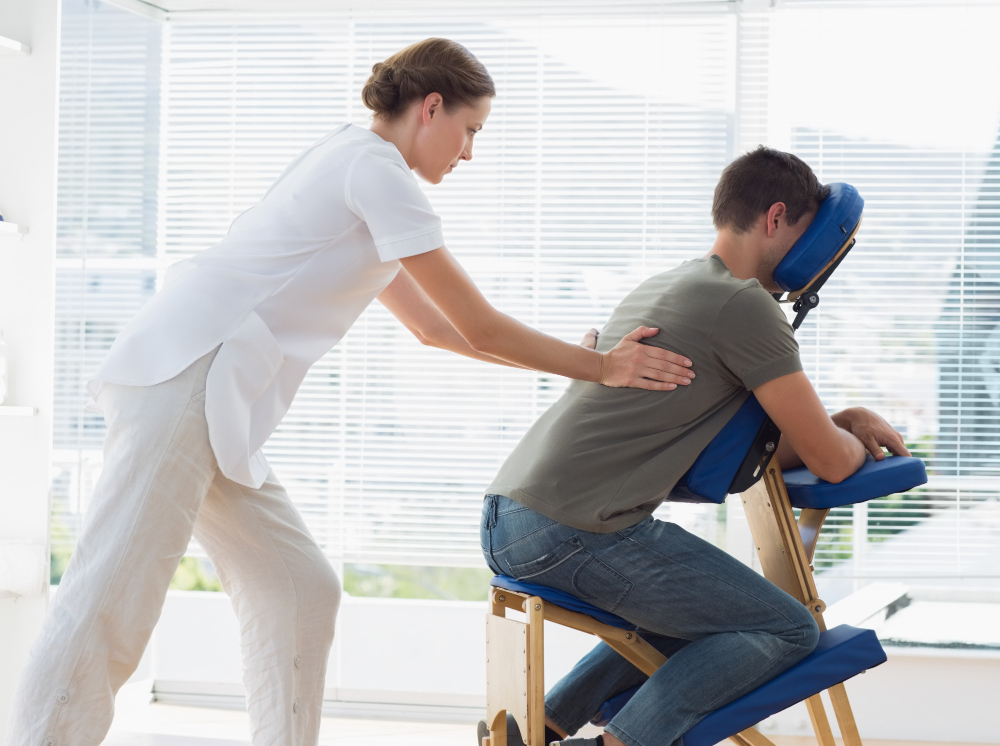
What Is Spinal Injury Rehabilitation?
Spinal injury rehabilitation is a group of treatments that help people recover after a spinal cord injury. This process supports people as they work to regain movement, strength, and daily skills. Often, the main goal is to help each person become as independent as possible. Many people in cities like New York, Los Angeles, or Chicago use these services to improve their quality of life. According to the World Health Organization, early rehabilitation can make a big difference in recovery.
Common Symptoms and Challenges After Spinal Injury
After a spinal injury, people may face many symptoms and challenges. For example, some may lose feeling or strength in their arms or legs. Others may have trouble with bladder or bowel control. In addition, pain and muscle spasms are common. Because of these changes, daily activities can become harder. However, with the right support, many people learn new ways to manage these challenges.
Causes and Types of Spinal Injuries
Spinal injuries can happen for many reasons. For instance, car accidents, falls, sports injuries, or violence can damage the spinal cord. Sometimes, diseases like infections or tumors may also cause injury. There are two main types of spinal injuries: complete and incomplete. With a complete injury, all feeling and movement below the injury are lost. In contrast, incomplete injuries allow some movement or feeling to remain. Each type needs a different approach to care and recovery.
Diagnosis and Assessment in Rehabilitation
Before starting spinal injury rehabilitation, doctors do careful tests to understand the injury. First, they check muscle strength, feeling, and reflexes. Next, they may use imaging tests like MRI or CT scans. These tests show where the injury is and how severe it might be. Because every injury is unique, this step helps create a personal treatment plan. Early assessment is important for the best results, according to the CDC.
Key Rehabilitation Approaches and Therapies
Many therapies work together in spinal injury rehabilitation. Physical therapy helps people build strength and improve movement. Occupational therapy teaches new ways to do daily tasks, such as dressing or cooking. Speech therapy may help if there are problems with speaking or swallowing. In addition, some people use counseling to cope with emotional changes. For many, rehabilitation exercises for spinal injury are a key part of daily life. These exercises help with spinal cord injury recovery and boost confidence.
Assistive Devices and Adaptive Techniques
Many people use assistive devices to improve independence after spinal injury. For example, wheelchairs, walkers, or braces can help with movement. Adaptive tools, such as special utensils or voice-activated devices, make daily tasks easier. Because every person has different needs, therapists help choose the right tools. With these devices, people can do more on their own and feel more confident.
Lifestyle Tips for Regaining Mobility and Independence
After a spinal injury, small changes can make a big difference. For example, setting daily goals helps track progress. Staying active with safe exercises supports muscle strength. Eating a healthy diet and drinking enough water are important, too. Because support matters, joining a local support group can help. In addition, learning new skills or hobbies can boost mood and confidence. Many people find that these tips help them regain mobility and independence over time.
Prevention of Secondary Complications
After a spinal injury, it is important to prevent other health problems. For instance, people may be at risk for pressure sores, infections, or blood clots. However, regular skin checks and moving often can help. Keeping skin clean and dry is also key. Doctors may suggest special cushions or mattresses to lower the risk of sores. In addition, staying active and following medical advice can prevent many problems. The CDC notes that early action is the best way to stay healthy after a spinal injury.