
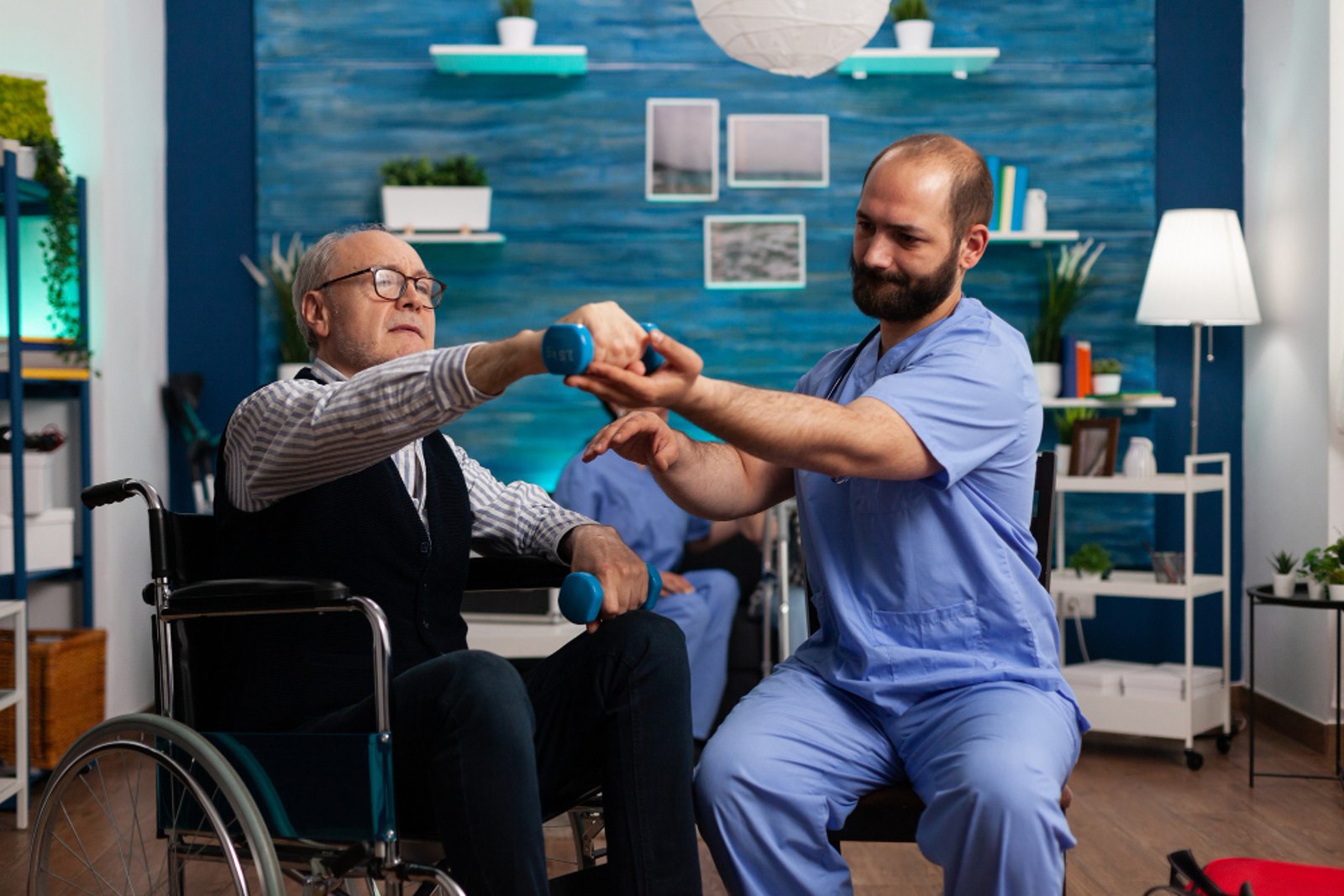
Introduction to Parkinson’s Disease and Physiotherapy
Parkinson’s Disease is a brain disorder that affects movement. It often causes shaking, stiffness, and slow walking. Many people with Parkinson’s Disease find daily tasks harder over time. However, physiotherapy for Parkinson’s Disease can help improve movement and quality of life. In fact, physical therapy for Parkinson’s is now a key part of care. According to the World Health Organization, early therapy can make a big difference. Physiotherapists use special exercises and plans to help each person move better and stay safe.
Symptoms of Parkinson’s Disease
People with Parkinson’s Disease may notice several symptoms. These symptoms can change over time. For example, some common symptoms that affect movement include:
Because these symptoms can get worse, it is important to start rehabilitation for Parkinson’s Disease early. This helps keep muscles strong and joints flexible.
How Physiotherapy Helps Parkinson’s Disease
Physiotherapy offers many benefits for people with Parkinson’s Disease. First, it helps improve balance and walking. As a result, people can move more safely. Second, it can reduce stiffness and pain. Third, therapy helps keep muscles strong. In addition, physiotherapy teaches people how to move in ways that lower the risk of falls. The main goals are to help people stay active, keep their independence, and enjoy daily life.
Types of Physiotherapy Approaches
There are several evidence-based physiotherapy techniques for Parkinson’s Disease. For example, some common approaches include:
Because each person is different, physiotherapists choose the best exercises for each case.
What to Expect During Physiotherapy Sessions
During your first session, the physiotherapist will ask about your symptoms and daily life. Next, they will check your strength, balance, and walking. After this assessment, they will create a plan just for you. Each session may include:
Sessions usually last 30 to 60 minutes. Over time, your plan may change as your needs change. Importantly, you will learn exercises to do at home between visits.
Tips for Managing Parkinson’s Disease at Home
Even outside of therapy, you can take steps to manage Parkinson’s Disease. For example, you can:
Because regular movement helps slow down stiffness, it is important to keep moving every day. Many people find that simple routines make a big difference.
Prevention of Complications
Physiotherapy can help prevent many problems linked to Parkinson’s Disease. For instance, regular therapy lowers the risk of falls by improving balance and strength. It also helps keep joints flexible, which can prevent painful stiffness. In addition, therapy can teach safe ways to move, reducing the chance of injuries. By staying active and following your therapist’s advice, you can avoid many common complications. The World Health Organization notes that early and ongoing therapy is key to better long-term outcomes for people with Parkinson’s Disease.
Conclusion:
Parkinson’s disease can affect movement, balance, and daily activities. A structured physiotherapy program focuses on improving mobility, strength, coordination, and confidence while helping individuals maintain better function and quality of life.
Looking for support with Parkinson’s-related movement challenges?
Consult Dr. Sneha Tiwari for expert physiotherapy guidance and personalised rehabilitation care.