
What is Hemiplegia?
Hemiplegia means weakness or paralysis on one side of the body. Often, it happens after a stroke or brain injury. Because one side becomes weak, daily tasks can be hard. However, with the right care, many people improve. Physiotherapy for one-sided weakness is key to recovery. It helps people regain strength and movement. Early treatment can make a big difference.
Common Symptoms of Hemiplegia
People with hemiplegia may notice several signs. For example, they might have trouble moving an arm or leg. Sometimes, the face on one side may droop. Other symptoms can include:
Because these symptoms can vary, it is important to get a proper diagnosis.
Causes of Hemiplegia
Most often, hemiplegia is caused by a stroke. A stroke happens when blood flow to the brain is blocked or a blood vessel bursts. As a result, brain cells can get damaged. Other causes include:
Because the brain controls movement, any injury to one side can lead to weakness on the opposite side of the body.
How Physiotherapy Helps One-Sided Weakness
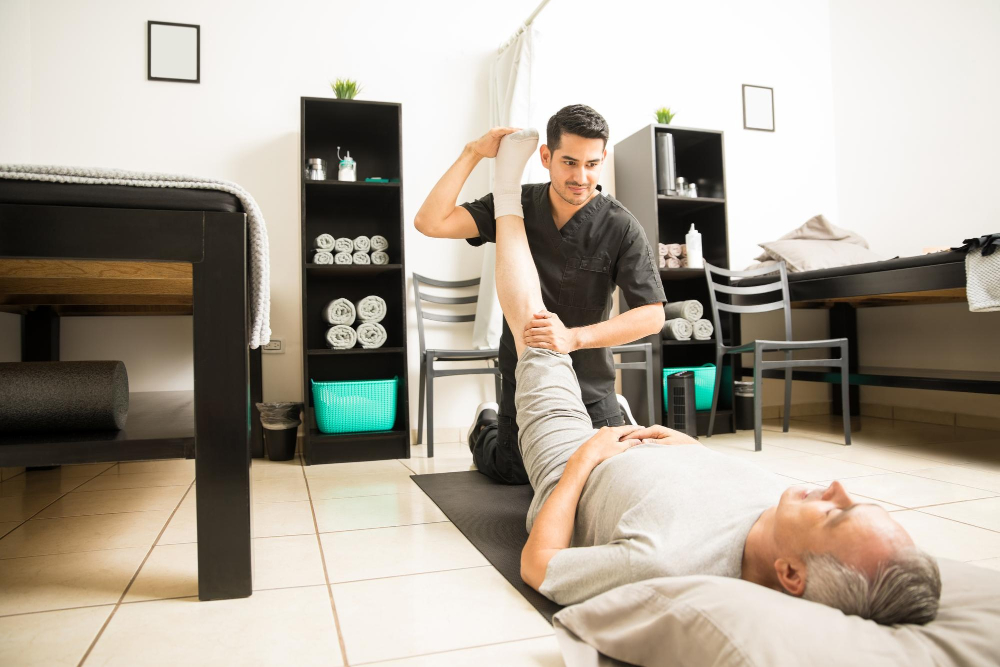
Physiotherapy is a key part of stroke rehabilitation and recovery from hemiplegia. For example, it helps improve strength, balance, and movement. With regular sessions, people can relearn daily skills. In addition, physiotherapists teach safe ways to move and prevent falls. Over time, therapy can boost confidence and independence.
Common Physiotherapy Techniques for Hemiplegia
Physiotherapists use many methods to help people with one-sided weakness. Some common techniques include:
Because every person is different, therapists create a plan that fits each need.
Tips for Daily Living and Home Exercises
Even at home, there are ways to support recovery. For example, you can:
Because small steps add up, regular practice can lead to steady progress.
Prevention and Long-Term Management
While some causes of hemiplegia cannot be avoided, you can lower your risk of stroke. For instance, you should:
After a stroke or injury, long-term physiotherapy and regular check-ups help maintain progress. In addition, joining support groups can offer encouragement and advice.
For those seeking help, many physiotherapy clinics near you offer stroke rehabilitation and personalized care.
Consult Dr. Sneha Tiwari for personalized advice and treatment.