
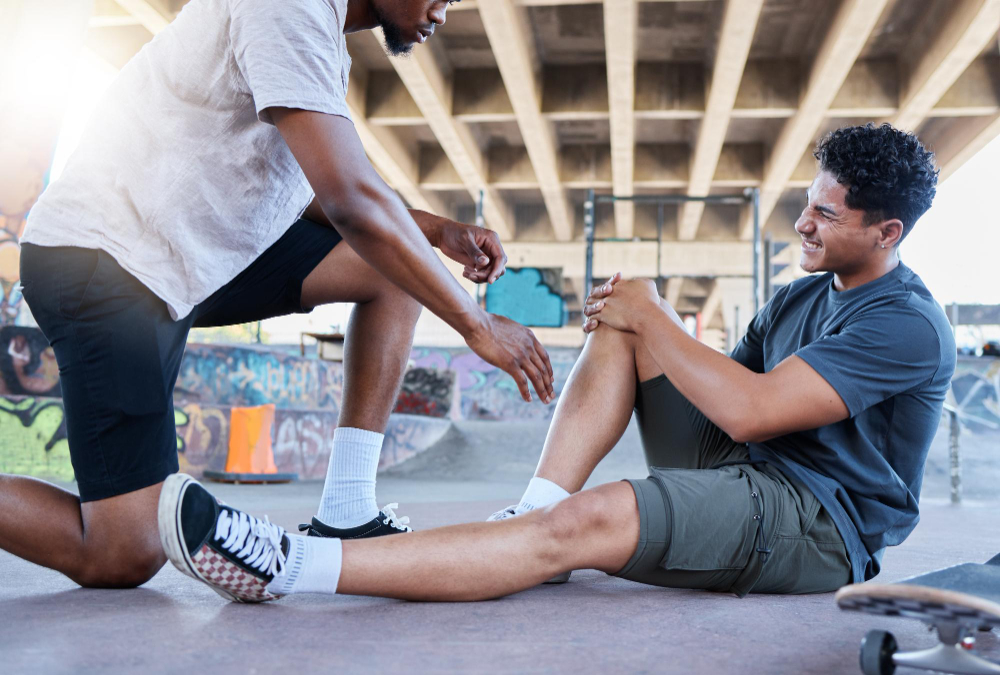
Introduction to Sports Injuries: Strains and Tears
Sports injury rehab is important for anyone who wants a safe return to activity after a strain or tear. Many people enjoy sports, but sometimes injuries happen. Strains and tears are common. A strain means a muscle or tendon is stretched too far. A tear is when the muscle or tendon rips. Both can cause pain and limit movement. However, with the right care, most people recover well.
Common Symptoms and Warning Signs
It is important to know the signs of a sports injury. Early treatment helps healing. Watch for these symptoms:
If you notice these signs, stop the activity. Seek advice from a healthcare provider.
Causes and Risk Factors
Many things can lead to strains or tears. For example, sudden movements or falls can cause injury. Overuse is another common cause. Some people are at higher risk, such as:
Knowing these risks can help you stay safe.
Diagnosis and Assessment Methods
Doctors and physiotherapists use several ways to check injuries. First, they ask about how the injury happened. Next, they look at the injured area. Sometimes, they may order tests like:
Early and accurate diagnosis helps guide the best treatment plan.
Evidence-Based Rehabilitation Strategies
Rehabilitation is key for muscle strain recovery and sports tear rehabilitation. Most plans include:
Physiotherapy for sports injuries uses proven methods. For example, therapists may use massage, heat, or special exercises. These help restore strength and flexibility.
Safe Timelines and Guidelines for Returning to Activity
Returning to sports too soon can cause more harm. Therefore, it is important to follow safe timelines. Most mild strains heal in 2 to 4 weeks. Severe tears may take several months. Before returning to activity, make sure you:
Always follow your physiotherapist’s advice for a safe return to activity after strain or tear.
Prevention Tips for Future Injuries
Preventing future injuries is possible. Try these tips:
These steps lower your risk of another injury.
Lifestyle and Self-Care Advice During Recovery
Recovery is not just about exercise. Good habits help healing. For example, eat a balanced diet with enough protein. Stay hydrated. Get enough sleep each night. In addition, avoid smoking, as it slows healing. If you feel stressed, try relaxation techniques. Always follow your care plan and ask for help if you have concerns.
Conclusion: Consult a Specialist for Personalized Care
Sports injury rehab helps you return to activity safely after a strain or tear. However, everyone heals at their own pace. For the best results, consult Dr Sneha Tiwari, a physiotherapist or specialist. They can create a plan that fits your needs and helps you recover fully.