
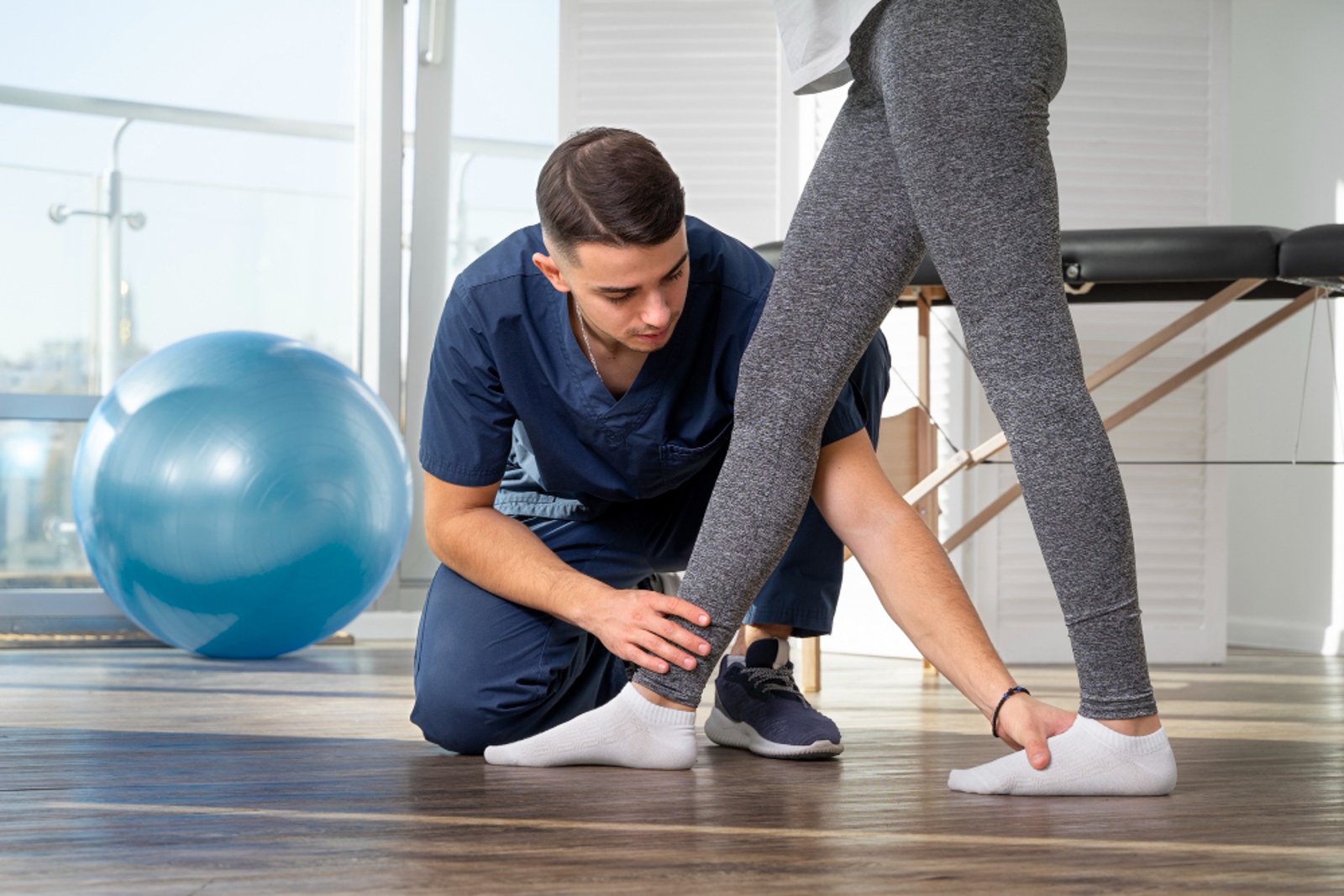
What Is Gait Correction?
Gait correction means improving the way a person walks. Sometimes, people develop walking problems due to injury, illness, or age. Physiotherapy in gait correction focuses on helping people walk better and safer. As a result, it can boost confidence and reduce the risk of falls. Gait correction is important for people of all ages, especially those with walking difficulties.
Common Causes of Gait Problems
Many things can cause gait problems. For example, some people have trouble walking after a stroke or injury. Others may have muscle weakness or joint pain. In addition, certain medical conditions can affect walking patterns. Here are some common causes:
Because these issues can affect daily life, early help is important.
How Physiotherapy Helps in Gait Correction
Physiotherapy for walking problems uses special exercises and training. These help people regain strength, balance, and movement. Moreover, physiotherapists create a plan that fits each person’s needs. They watch how you walk and find ways to improve your walking pattern. With regular sessions, many people notice better balance and less pain. In fact, research shows that physiotherapy can help people walk more safely and confidently (WHO, CDC).
Key Physiotherapy Techniques for Gait Correction
Physiotherapists use many techniques to help with gait correction. Some of the most common methods include:
Because each person is different, your physiotherapist will choose the best techniques for you.
What to Expect During Physiotherapy
During your first visit, the physiotherapist will ask about your health and walking problems. Next, they will watch how you walk and test your strength and balance. Then, they will create a plan just for you. Each session may include:
Over time, you may notice your walking pattern improves. However, progress can take weeks or months. Regular practice at home is also important for the best results.
Tips for Maintaining Healthy Gait
After finishing physiotherapy, it is important to keep your walking skills strong. Here are some tips to help maintain a healthy gait:
Because small changes can make a big difference, always listen to your body and rest when needed.
Prevention and Lifestyle Guidance
Preventing gait problems is possible with healthy habits. For example, regular exercise keeps muscles and joints strong. Eating a balanced diet supports bone and muscle health. In addition, staying at a healthy weight reduces stress on your legs and feet. If you notice changes in your walking, seek help early. Many cities offer easy access to physiotherapy services, so do not wait to get support.
In summary, physiotherapy in gait correction can help you walk better and feel more confident. Consult Dr Sneha Tiwari for personalized gait correction advice.